5 Fuel Fraud Tactics Fleet Operators Should Know
Fuel fraud doesn't always look like a stolen card.
In many fleets, it happens quietly through everyday fueling activity that can be difficult to spot until the costs start adding up. A transaction may look normal on the surface, but small inconsistencies can reveal that something isn't right.
Knowing what to look for is the first step to protecting your fleet.
Here are five common ways fuel fraud can happen:
1. Skimming at the Pump
Card skimming happens when a compromised card reader captures payment information when a card is used at the pump.
Skimmers can be installed on unattended or older fuel pumps and may be difficult to notice. Once card information is captured, it can potentially be used for unauthorized purchases.
What to watch for: Unfamiliar transactions, unexpected purchases, or activity appearing on a card that was recently used at an unfamiliar fueling location.
2. Overfilling and Siphoning
Not all fuel theft involves sophisticated technology.
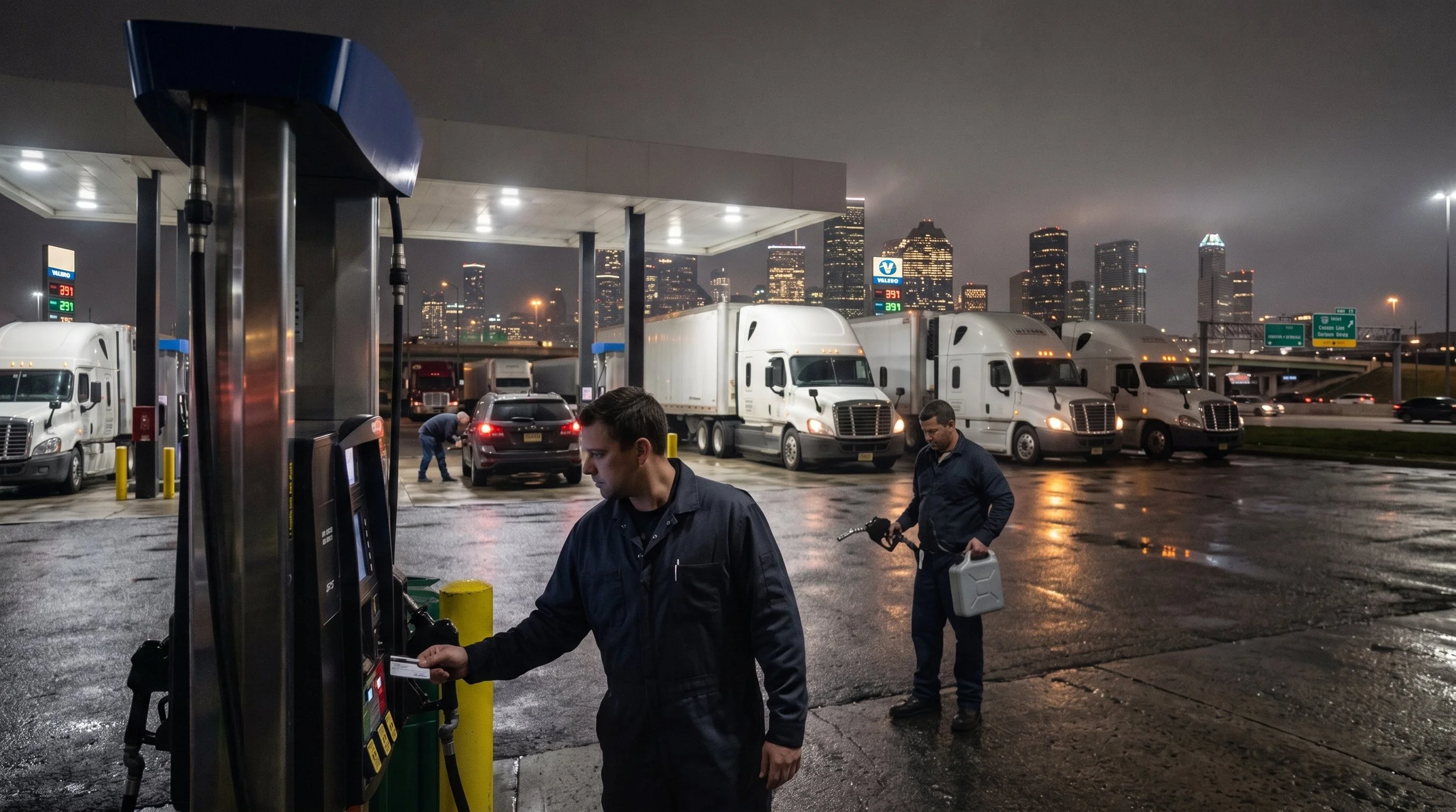
A driver may fill a personal gas can, fuel another vehicle, or purchase more fuel than the assigned vehicle could reasonably hold. Without transaction-level information, these discrepancies can be difficult to identify.
For example, if a truck has a 100-gallon tank but a transaction shows significantly more fuel than that, it's worth investigating.
What to watch for: Fuel quantities that don't match vehicle tank capacity, unusually large purchases, or multiple fuel transactions in a short period of time.
3. Card Sharing
Fleet cards are typically assigned to a specific driver, vehicle, or both. Problems can arise when a card is shared between drivers or used for a vehicle other than the one it was assigned to.
A card might be used by another employee while the assigned driver is off duty, or it could be passed between vehicles without the fleet manager knowing.
What to watch for: Transactions that don't match the assigned driver, vehicle, location, or expected fuel activity.
4. Off-Hours or Off-Route Purchases
A fueling transaction outside a driver's normal schedule or route doesn't automatically mean fraud. But it can be an important signal when combined with other unusual activity.
For example, a card assigned to a vehicle operating locally during business hours shouldn't regularly show fuel purchases hundreds of miles away or in the middle of the night.
What to watch for: Fuel purchases outside normal operating hours, locations that don't align with established routes, or transactions that occur while a vehicle is known to be inactive.
5. Non-Fuel Charges at the Pump
Fuel isn't always the only thing being purchased with a fleet card.
Snacks, drinks, and other convenience-store purchases can sometimes be charged during a fuel stop. When these purchases aren't monitored, small transactions can add up across an entire fleet.
What to watch for: Non-fuel purchases, repeated convenience-store charges, or transactions that don't align with your company's fueling policy.
What Actually Helps Catch Fuel Fraud?
The biggest challenge with fuel fraud isn't always knowing that it exists. It's having enough visibility to recognize when something looks unusual.
Reviewing a monthly statement can help identify problems after the fact, but by then, the spending has already occurred.
More proactive tools can help fleet operators monitor activity as it happens, including:
Transaction-level visibility to see exactly where, when, and how fuel cards are being used
Spending controls that help limit how and where individual cards can be used
Real-time alerts that can flag unusual transactions as they happen
Driver and vehicle assignments that make it easier to identify activity that doesn't match expected usage
The goal isn't to assume every unusual transaction is fraud.
It's to make unusual activity easier to spot before it becomes a larger problem.
Keep a Closer Eye on Your Fleet's Fuel Spend
Fuel fraud can be difficult to prevent when fleet operators don't have visibility into what's happening at the pump.
The more information you have about each transaction, the easier it is to identify patterns, investigate unusual activity, and keep fuel spending under control.
The RCPA Fleet Card gives fleet operators transaction visibility and tools designed to make managing fuel spend easier, while providing support from a team that understands fleet operations.
Because protecting your fuel budget isn't just about paying less per gallon.
It's also about knowing where every gallon is going.
