
Non-Emergency Medical Transport (NEMT)
Your Fleet.
Your Savings.
Non-emergency medical transport runs on people depending on you. Keep your focus on the ride, not the fuel bill — the RCPA Fleet Card handles the savings, the controls, and the visibility so you can run a tighter operation without the extra work.

NEMT CHALLENGES
Fuel Costs Impact Every Ride You Provide
When vehicles are on the road all day transporting patients, fuel becomes one of the largest controllable expenses in your operation. Managing costs while maintaining reliable service is critical.
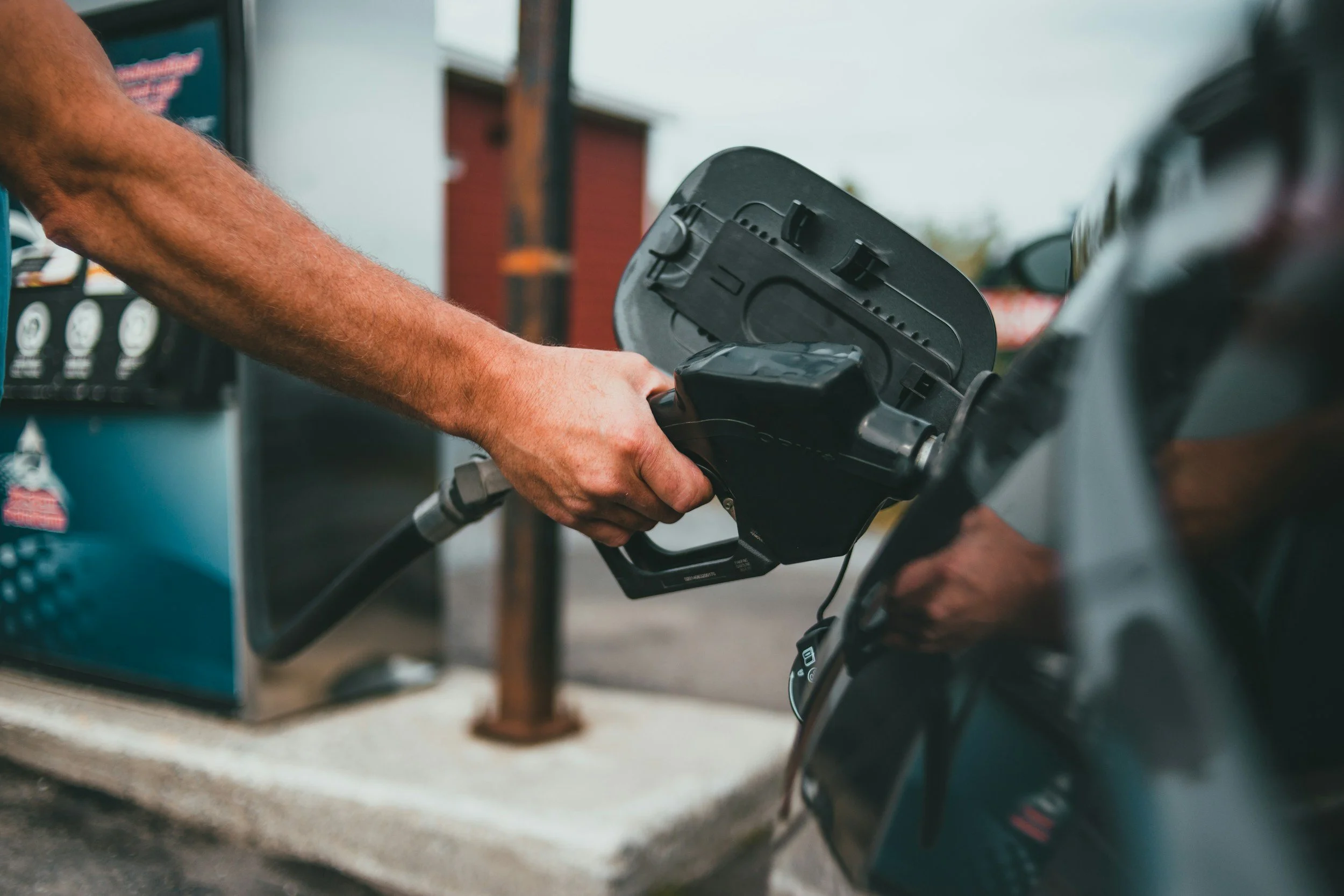
Fuel Anywhere. Pay Less.
Use the RCPA Fleet Card anywhere Mastercard® is accepted. Keep drivers on the road and patients on schedule.

Control Driver Spending
Set purchase limits, monitor transactions, and reduce unauthorized fuel purchases across your fleet.s.

Protect Operating Margins
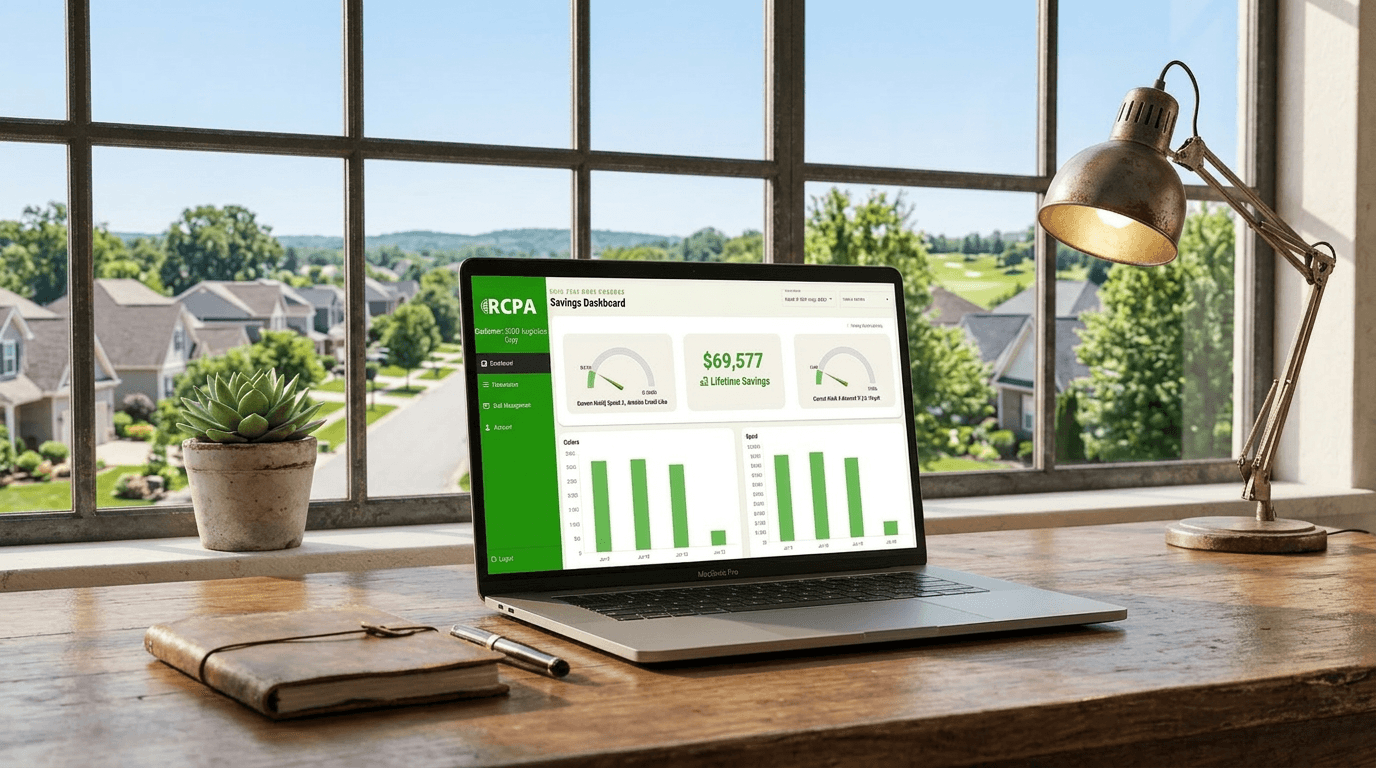
View fuel purchases, rebates, savings, and driver activity from one centralized dashboard.

FREE FUEL ANALYSIS
See Exactly What Your Current Fuel Program Is Costing You
Get a free review of your fuel spend, fees, and savings opportunities.
What You’ll Learn:
Your current fuel fees vs. what RCPA charges ($0).
Estimated annual savings at Premier Fuel Stop locations.
Which member benefits apply to your operation type.
Whether your current card is actually working for you.
VISIBILITY & REPORTING
Your Savings Dashboard
Get complete visibility into your fuel program with real-time reporting, savings tracking, and card management.
✓ Track Savings
✓ Monitor Spending
✓ View Rebates
✓ Manage Drivers
FREQUENTLY ASKED QUESTIONS
Everything You Need to Know About the RCPA Fleet Card
Answers to the most common questions about savings, fees, fuel locations, fraud protection, and fleet management.
-
Drive with confidence knowing that you can use your RCPA Fleet Card anywhere Mastercard® is accepted. Including more than 21,000 Premier Fuel Stops.
-
Maximize your fuel savings with competitive discounts at thousands of stations nationwide.
Enjoy consistent savings on both diesel and unleaded, with rebates paid quarterly for predictable, trackable results.
-
No. The RCPA Fleet Card has no activation fees, per-card fees, transaction fees, monthly fees, annual fees, hidden fees, account maintenance fees, or membership fees.
-
Manage your account from anywhere with our Savings Dashboard:
Track fuel rebates
Monitor card activity and spending
Turn cards on and off
Get a clear, simple view of your savings
-
Our US-based team is available 24/7 to assist you. You can also browse our FAQs anytime.
-
Protect your account with advanced fraud prevention tools:
Set time, transaction, and spending limits
Restrict purchases to fuel only or allow in-store/maintenance
Receive real-time alerts for suspicious activity
Telematics integrations
-
Talk to us about our Free Fuel Analysis.
Help reduce costs
Improve fuel efficiency
Maximize potential savings


NEMT FAQs
-
Reliability and documentation drive reimbursement.
In NEMT, revenue predictability isn’t about demand — it’s about execution. Missed pickups, late arrivals, or incomplete documentation directly impact reimbursement.
Predictable operators focus on:On-time performance.
Clean trip documentation.
Verified eligibility and authorization.
Tight dispatch workflows.
When operations are consistent, billing becomes cleaner, reimbursement becomes faster, and cash flow stabilizes. -
Increase efficiency per trip.
Adding trips without improving execution often increases labor, fuel, and risk faster than revenue.
Instead, profitable NEMT operators focus on:
Trips per vehicle per day
Fuel cost per trip
Load and unload efficiency
Reduced wait and idle time
Efficiency at the trip level compounds across your fleet — improving margin without stressing staff or vehicles. -
Fuel discipline with accountability.
Fuel is one of the largest controllable expenses in NEMT operations. Without oversight, inefficiency and misuse quietly erode margins.
Best practices include:Commercial fuel cards with controls
Location-based fueling rules
Time-of-day restrictions
Transaction monitoring and reporting
Fuel accountability protects margin and reinforces professional driver behavior. -
Idle time and deadhead miles.
NEMT schedules often include wait time between appointments. Without optimization, this leads to excessive idling, unpaid time, and unnecessary mileage.
Common margin leaks include:
Long gaps between trips
Poor trip clustering
Extended patient wait times
Unbalanced schedules across vehicles
Tighter scheduling and geographic optimization reduce fuel spend and labor waste. -
Labor — especially unplanned overtime.
Drivers are your most important resource — and your biggest expense. Unclear schedules and inefficient routing drive overtime and burnout.
High-performing NEMT fleets manage labor by:Setting realistic route expectations.
Reducing wait time.
Balancing trip assignments.
Training for efficient patient handling.
Labor efficiency improves safety, morale, and financial performance. -
Time — for patients and drivers alike.
In NEMT, time isn’t just money — it’s patient care.
Poor time management results in:Late pickups
Missed appointments
Driver frustration
Member complaints
Contract risk
Successful operators:Stage vehicles in advance
Confirm trips ahead of time
Build buffer time strategically
Monitor on-time performance daily
Time discipline protects contracts and patient trust. -
Standardization and training.
Consistency creates confidence — for drivers, dispatchers, and patients.Standardize:
Vehicle setups
Patient securement procedures.
Dispatch workflows.
Fueling and idling policies.
Daily inspection routines.
Standard operations reduce errors, improve safety, and lower training and compliance costs. -
Preventative maintenance and compliance planning.
Breakdowns and compliance failures are expensive and avoidable.
Best practices include:Daily vehicle inspections
Preventative maintenance schedules
Wheelchair lift servicing
Tire, brake, and fluid checks
Documentation audits
Reliable vehicles keep patients safe and operations compliant. -
Track the right KPIs.
Data reveals inefficiency before it becomes a financial or compliance problem.Key NEMT metrics include:
Cost per trip.
Fuel cost per mile.
On-time pickup percentage.
Driver idle time.
Overtime hours.
Vehicle downtime.
Denial and recoupment rates.
KPIs turn guesswork into informed decision-making. -
Discipline, visibility, and accountability.
Top NEMT operators:Know their numbers.
Control fuel and labor.
Enforce standards consistently.
Protect compliance.
Build trust with payers and members.
Profitability in NEMT isn’t about cutting corners — it’s about operational excellence.
GET STARTED
How it Works
Up and running in under a week.
Apply online — Takes just a few minutes.
Get Approved — Our team guides you through the process.
Receive Your Cards — Delivered in 4-7 business days.
Start Saving — Begin earning savings on your first fill-up.
No setup fees. No monthly fees. No long-term contracts.