
Your Fleet.
Your Savings.
Moving & Junk
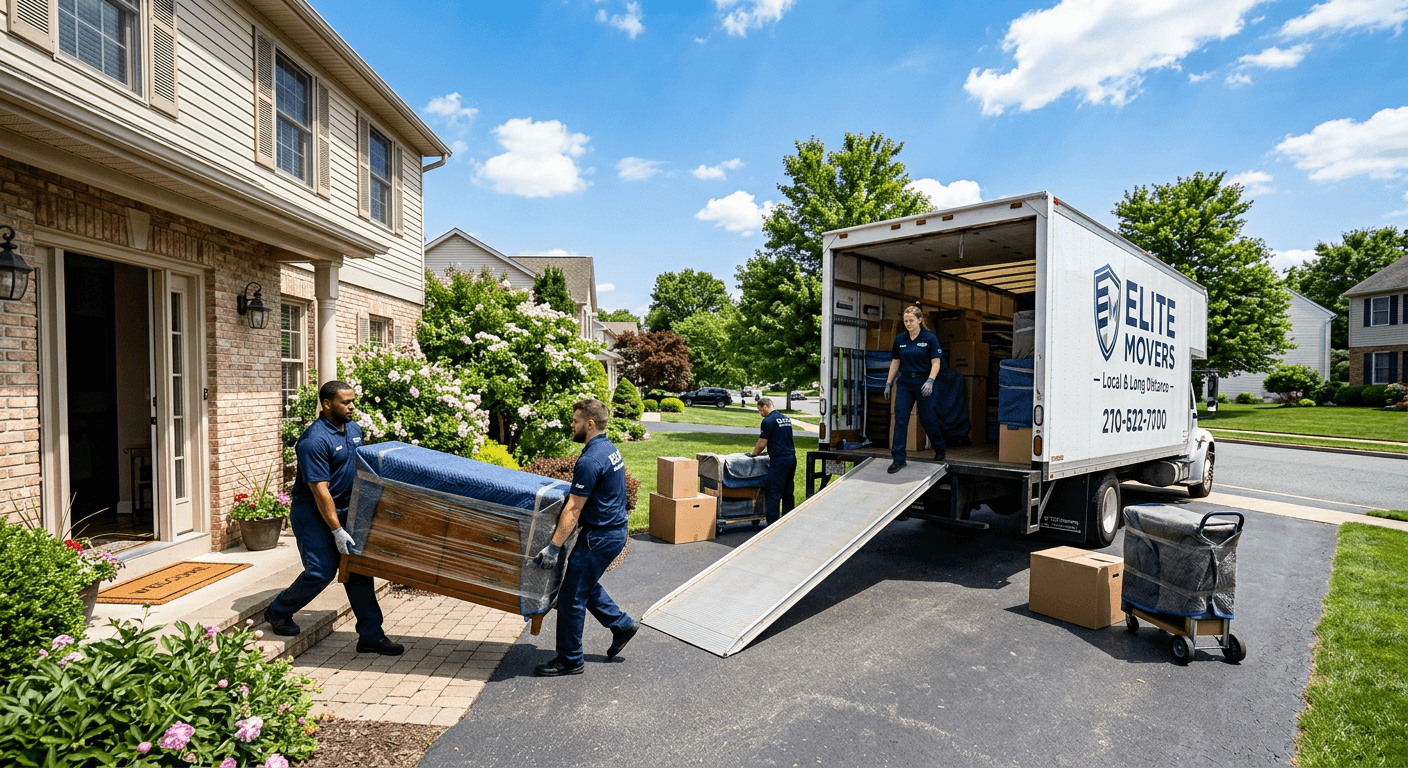
Moving and junk removal runs on fuel and hustle. The RCPA Fleet Card cuts your fuel costs at the pump and puts you in control of every driver on your roster — no monthly fees, no transaction fees, just savings from the first swipe.

Unbeatable Savings*
-
Drive with confidence knowing that you can use your RCPA Fleet Card anywhere Mastercard® is accepted. Including more than 21,000 Premier Fuel Stops.
-
Maximize your fuel savings with competitive discounts at thousands of stations nationwide.
Enjoy consistent savings on both diesel and unleaded, with rebates paid quarterly for predictable, trackable results.
-
No. The RCPA Fleet Card has no activation fees, per-card fees, transaction fees, monthly fees, annual fees, hidden fees, account maintenance fees, or membership fees.
-
Manage your account from anywhere with our Savings Dashboard:
Track fuel rebates
Monitor card activity and spending
Turn cards on and off
Get a clear, simple view of your savings
-
Our US-based team is available 24/7 to assist you. You can also browse our FAQs anytime.
-
Protect your account with advanced fraud prevention tools:
Set time, transaction, and spending limits
Restrict purchases to fuel only or allow in-store/maintenance
Receive real-time alerts for suspicious activity
Telematics integrations
-
Talk to us about our Free Fuel Analysis.
Help reduce costs
Improve fuel efficiency
Maximize potential savings
Your Savings
Dashboard

With every RCPA Fleet Card, you get the Savings Dashboard included; your go-to view for tracking fuel spend, savings, and rebates, all in one spot.

Moving & Junk Removal FAQs
-
Automate deposits & customer payments: predictability drives profit.
Successful moving and junk removal businesses make cash flow boring. Whether it’s late season or peak season, unpredictable payments destroy scheduling and slow growth.
Automate your billing and customer payments:
Remove administrative friction
Eliminate awkward payment conversations
Keep your cash cycle predictable and healthy
The more predictable your revenue, the easier it is to plan labor, routes, and equipment costs — turning volatility into dependable profit.
-
Upsell existing customers — it’s cheaper than acquiring new ones.
In logistics, operators look at revenue per stop as a key health metric. The same holds for moving and junk removal.
The most profitable days aren’t built by just booking more jobs — they’re built by increasing value per job.
Offer add-ons such as:
Packing services
Furniture assembly/disassembly
Specialty item moves (pianos, antiques)
White-glove handling
Hoisting tasks
Clean-out add-ons
More revenue per stop improves margins without adding new acquisition costs.
-
Fuel discipline — cut waste and protect your margins.
Across moving and junk removal businesses, fuel is one of the largest variable expenses. Without disciplined fuel management, inefficiency, waste, and fraud quietly erode profit.
Best practices include:
Use commercial fuel cards
Monitor spending in real time
Train your drivers on efficient fueling
Audit transactions for anomalies
Fuel cards and tools (with reporting and controls) make it easy to track fuel use — and increase accountability. Fuel intelligence isn’t just cost control; it reshapes your company culture around efficiency.
-
Route inefficiency — the silent killer of margins.
The biggest cost isn’t always labor or equipment — it’s windshield time. Every inefficient route lap adds fuel cost, labor, and wear-and-tear.
Maximize profitability by:Mapping customer jobs into tight geographic clusters
Using routing software
Scheduling jobs for minimal drive time
Incentivizing customers for optimal days
Letting go of outliers that drain crews
Moving and junk services, like last-mile carriers, excel when routes are consistent and efficient — reducing costs on every job.
-
Payroll waste triggered by inconsistency.
Untrained crews don’t just slow down — they cause callbacks, missed appointments, and schedule chaos.
Develop repeatable systems:
Document best-practice loading/unloading
Make short training videos
Standardize packing techniques
Teach safe equipment loading
Reinforce expectations regularly
Teams that work with shared standards drive productivity — and higher margins follow.
-
Time — your most precious asset.
Smart scheduling saves crews 15-30 minutes per day — equal to another team member without the payroll.
Dispatch chaos leads to:
Wasted time
Missed windows
Overtime
Extra mileage
Optimize your schedule with:
Night-before truck prep
Confirmed launch times
Geographically tight daily schedules
Job notes on mobile devices
Weather-aware contingency planning
Smarter scheduling reduces labor, fuel, and maintenance costs — your top three expense categories.
-
Leverage bulk buying power and supplier discounts.
Small fleets often pay retail pricing for fuel and supplies. You can change that:
Buy materials and packing supplies in bulk
Negotiate vendor pricing
Use early buy programs
Build supplier relationships
Combine buying power with alliances or fuel programs to make pricing predictable and stable — letting your crews stay in the field.
-
Preventative maintenance: Downtime destroys profitability.
Equipment breakdowns cost more than repair bills — they derail schedules, drop service quality, and waste labor.
Best practices include:
Daily vehicle and truck inspections
Regular service intervals
Tire, brake, fluid, and diesel exhaust fluid (DEF) checks
Pre-trip equipment checklists
Small maintenance issues, when ignored, become big bills. Big bills become missed revenue. Missed revenue becomes margin erosion.
-
KPI tracking — measure waste with precision.
Top operators in any fleet watch KPIs daily — moving and junk removal included.
Track metrics like:
Jobs per hour
Fuel spend per route
On-road efficiency
Overtime costs
Maintenance expenses
Return / callback rates
Customer churn
Numbers show leaks before they become expensive problems. Decisions based on data are the difference between surviving and building a long-lasting business.

Ready to Apply?
-
Connect with our team to learn how your business can save on fuel costs and streamline fleet management. We’ll answer your questions and guide you through the process.
-
Submit your application online or over the phone - fast, simple, and hassle-free.
-
Once approved, your RCPA Fuel Card will be delivered securely within 4-7 business days, ready to use at over 500,000 fuel and maintenance locations nationwide.
-
Savings start with your first gallon. Track your rebates and spending through our Savings Dashboard, and receive quarterly rebate payments.